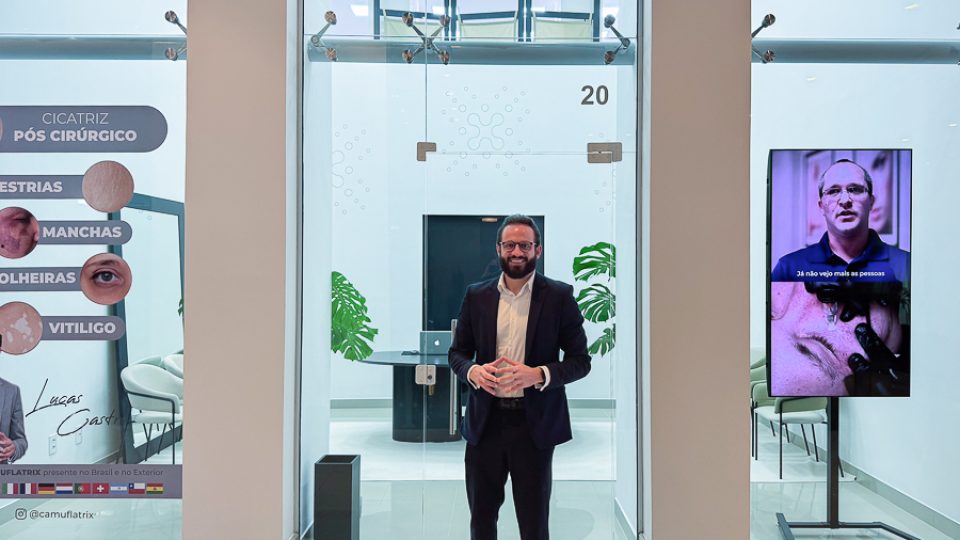
Stretch mark camouflage was the focus of an interview with specialist Lucas Castro on the TV program Ver Mais. During the segment, he explained how the technique can transform the self-esteem of both women and men who live with skin marks. In addition, he addressed common questions about safety, durability, and sun exposure after the procedure.
According to Lucas, many people develop stretch marks after pregnancy, weight loss, or rapid growth. However, today there is already an effective, natural, and long-lasting solution. For this reason, the demand for the procedure continues to grow every year.
Watch the full interview
How Does Stretch Mark Camouflage Work?
First, the professional performs an individual skin assessment. Next, a protocol is initiated to stimulate dermal recovery. In many cases, no pigment is used in the first phase. This way, the body itself improves the texture and tone of the stretch mark.
When necessary, the specialist applies a specific organic pigment. He uses a pixelated technique to create a natural effect of light and shadow. As a result, the contrast between the stretch mark and the surrounding skin is reduced.
Unlike traditional tattooing, the method respects the skin’s physiology. Therefore, after the healing period, the patient can be exposed to the sun normally.
How Long Do the Results Last?
The treatment includes, on average, three sessions spaced 30 days apart. After completing the full protocol, the results for stretch marks are considered permanent. However, in cases involving pigmentation, the professional may recommend maintenance after a few years.
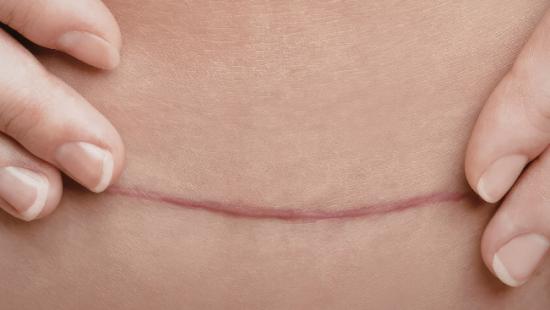
If you want to explore other solutions for skin marks, you can also check our scar camouflage page and see how the method works in different cases.
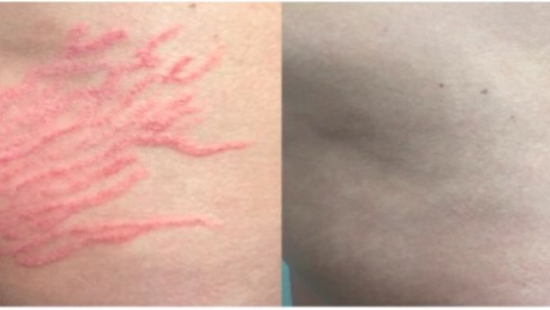
In addition, review before-and-after results to better understand how the technique performs in practice.
Stretch mark camouflage restores freedom, confidence, and security for those who want to feel comfortable in their own skin.