An abdominoplasty scar is a natural part of the surgical process. However, for many people, it can still cause aesthetic discomfort and directly impact self-image. Fortunately, with advances in reparative aesthetics, there are now effective solutions to soften its appearance and restore confidence.
What an Abdominoplasty Scar Looks Like
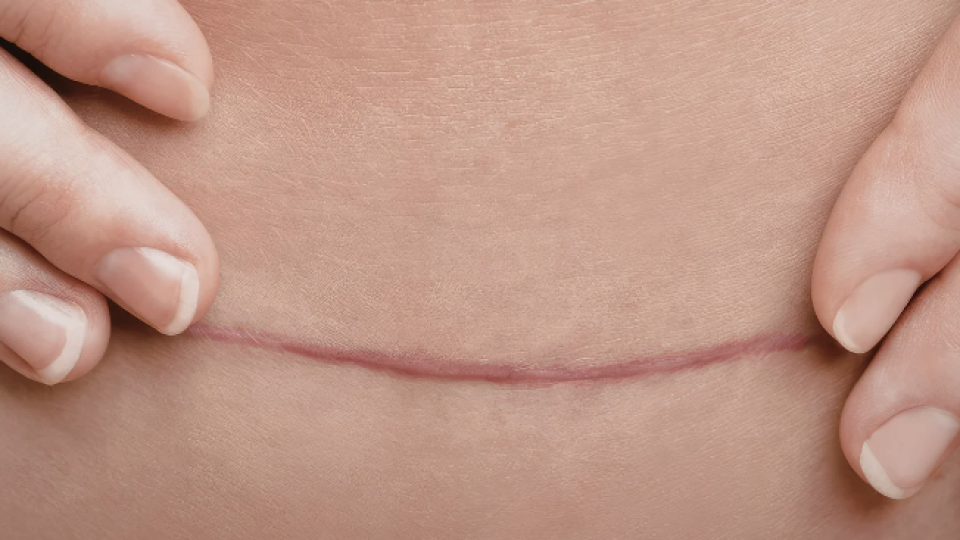
The scar is typically located in the lower abdominal area and, in some cases, may extend laterally. Although its shape and length can vary, factors such as genetics, post-operative care, and surgical technique directly influence the final result.
In addition, it is important to understand that scars go through different stages before stabilizing. Therefore, before considering any aesthetic intervention, it is essential to wait for the proper skin maturation period.
When Scar Camouflage Is Recommended
In general, camouflage is indicated after 8 to 12 months, when the scar shows stable coloration, no pain, and defined texture. At this stage, techniques such as paramedical micropigmentation can be applied with greater safety and predictability.
How Scar Camouflage Works
Scar camouflage involves applying specific pigments that match the natural skin tone. In this way, the goal is not to remove texture but to reduce color contrast, making the scar less noticeable.
At Camuflatrix, this process is performed using personalized protocols that respect each individual’s skin tone and characteristics. As a result, the finish tends to look more natural and harmonious. When the full protocol is completed, results can last up to ten years without touch-ups.
Results and Realistic Expectations
Although the technique delivers significant improvements, it is important to align expectations. The camouflage does not completely remove the scar but provides a visible enhancement in appearance, especially in skin tone uniformity.
Additionally, results tend to be progressive, requiring a proper evaluation of the abdominoplasty scar to determine the most suitable protocol.
Complementary Strategies Before Camouflage
While the scar is still maturing, some simple strategies can help minimize its visibility:
- high-waisted clothing for strategic coverage;
- more structured fabrics that prevent marking;
- darker colors in the abdominal area;
- clothing designs with cuts that redirect visual focus.
These choices can create a more balanced visual perception in daily life.
Technical Reference and Authority
The growth of reparative aesthetics is also linked to professionals who develop safe and consistent protocols. One of the names associated with this movement is Lucas Castro, who focuses on techniques that prioritize natural and personalized results.
As CEO of Camuflatrix, he developed and patented an exclusive technique that allows patients to tan without altering the skin color after the procedure. With a safe method, results can be seen as early as the first session.
Final Considerations on Abdominoplasty Scars
Therefore, if an abdominoplasty scar still affects your self-esteem, camouflage emerges as an accessible, safe option with strong aesthetic transformation potential. With the right guidance and proper healing time, it is possible to achieve a more discreet result aligned with your personal image.